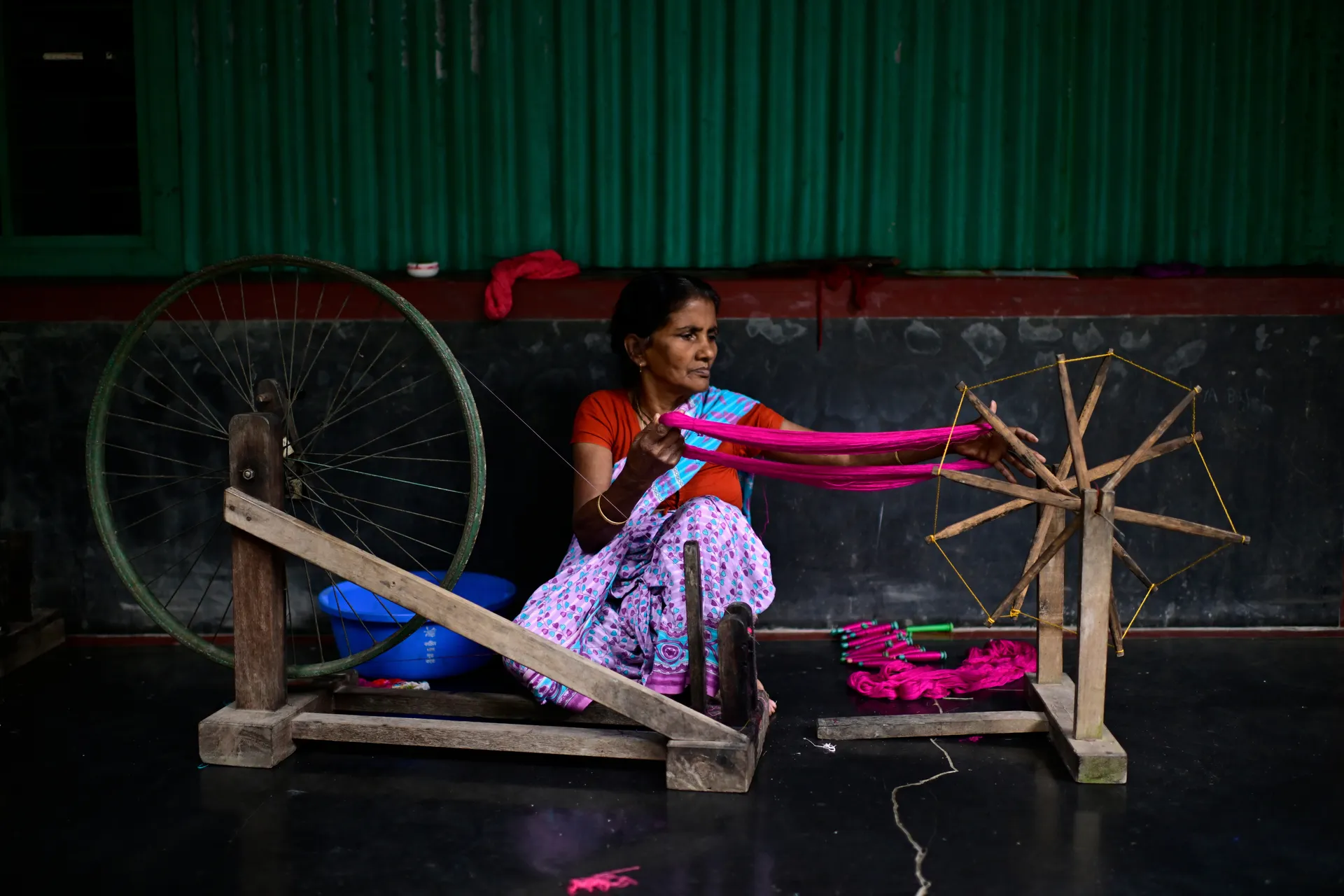


Bangladesh has received a major cultural milestone as Unesco officially recognised the Tangail saree weaving tradition as an element of Intangible Cultural Heritage. The announcement came today at the 20th meeting of the Intergovernmental Committee of the Unesco 2003 Convention, held in New Delhi.
The decision was adopted unanimously, marking Bangladesh’s sixth standalone listing under the convention. It also comes at a moment of growing cultural visibility for the country, following its election as a committee member for the first time.
Ambassador Khondker M Talha, who is leading the Bangladesh delegation, described the recognition as “extraordinary glory for Bangladesh.” He added that the artistry of Tangail’s weavers, preserved and perfected over more than 200 years, has finally received the global appreciation it deserves.
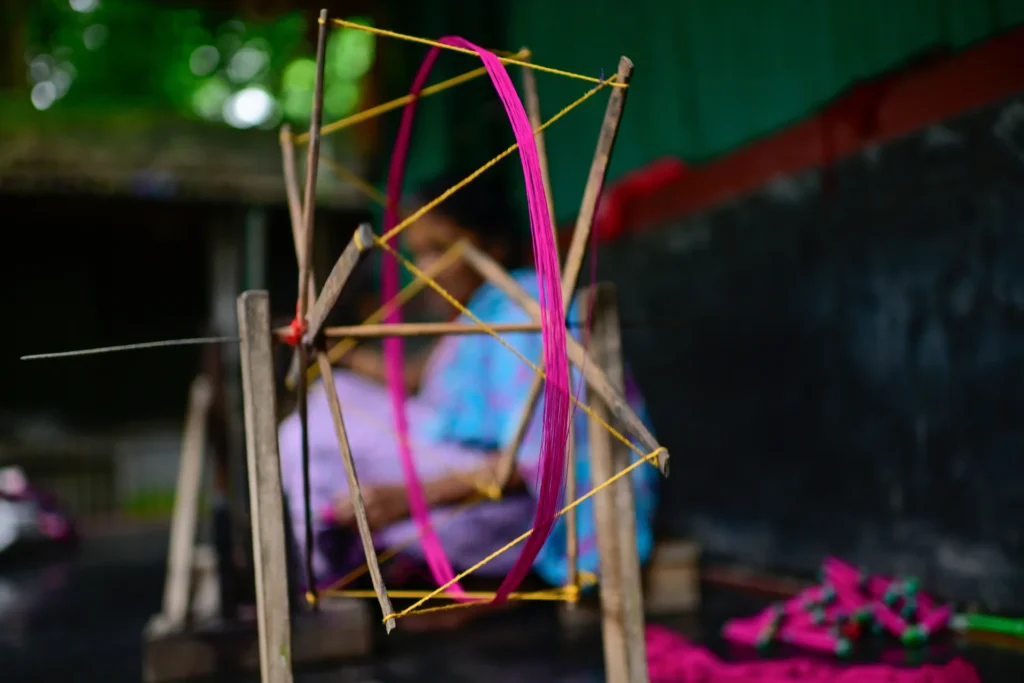
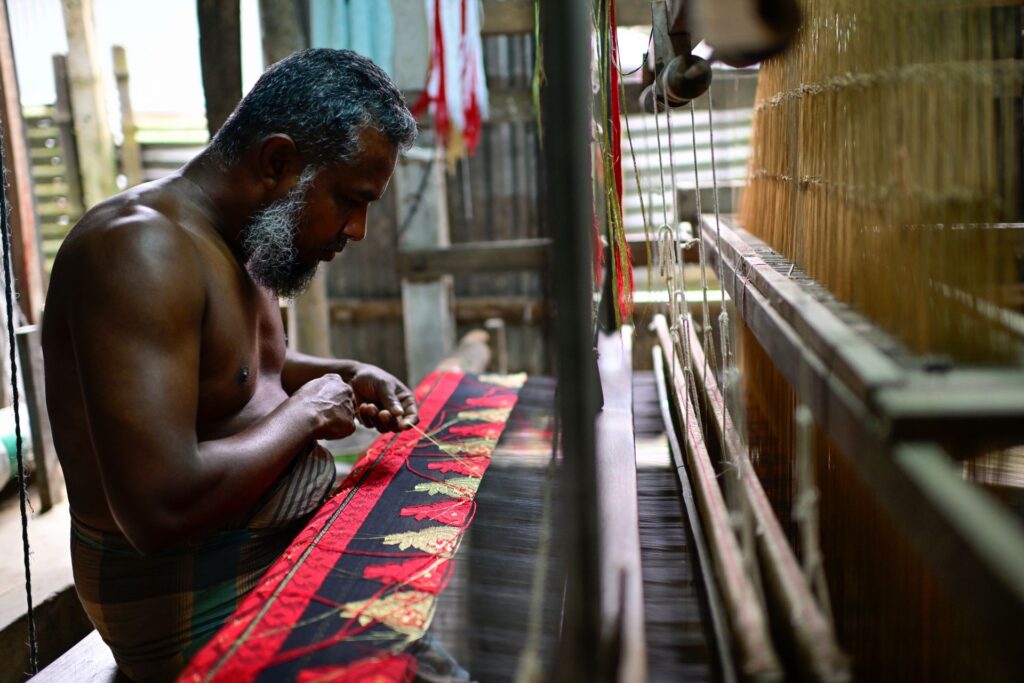
The Tangail saree, a hallmark of Bangladesh’s handloom heritage, is primarily crafted by the Basak and Jhola communities. The sarees are produced using a distinctive weaving technique with cotton, silk, or jute, resulting in a lightweight fabric known for intricate motifs, delicate textures and signature local patterns.
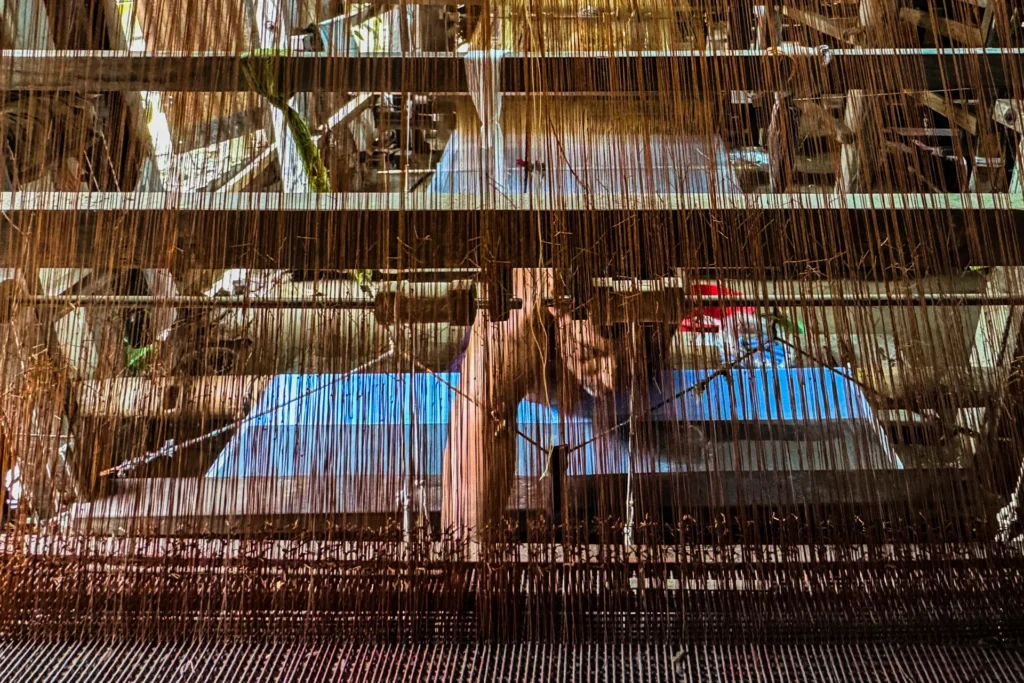
The weaving process is a family tradition. Men typically undertake the core tasks such as planning designs, dyeing yarn and weaving on the handloom. Women play a crucial supporting role by making thread on traditional wheels, applying rice starch and completing the finishing touches. Younger family members help prepare the fabric and observe the craft from an early age, ensuring knowledge passes naturally from one generation to the next.
The sarees hold deep cultural significance, worn widely during weddings, religious festivals and major celebrations across the country. Beyond sarees, the same weaving techniques are used to create a range of traditional garments.
The heritage status highlights not just the beauty of the Tangail saree but also the community spirit, intergenerational learning and shared cultural identity embedded in the craft. Weavers often celebrate their work ahead of festival seasons, reinforcing both tradition and livelihood.
Unesco’s newly appointed Director-General, Khaled El Enani, and India’s External Affairs Minister S Jaishankar attended the opening of the ongoing committee session.
With this recognition, Tangail’s weavers join a distinguished list of cultural bearers worldwide. The listing is expected to strengthen international visibility, preserve traditional skills and support the socio-economic stability of weaving families.
Ambassador Talha noted that Bangladesh holds many more cultural traditions deserving of similar honour, hinting at further submissions in the coming years.