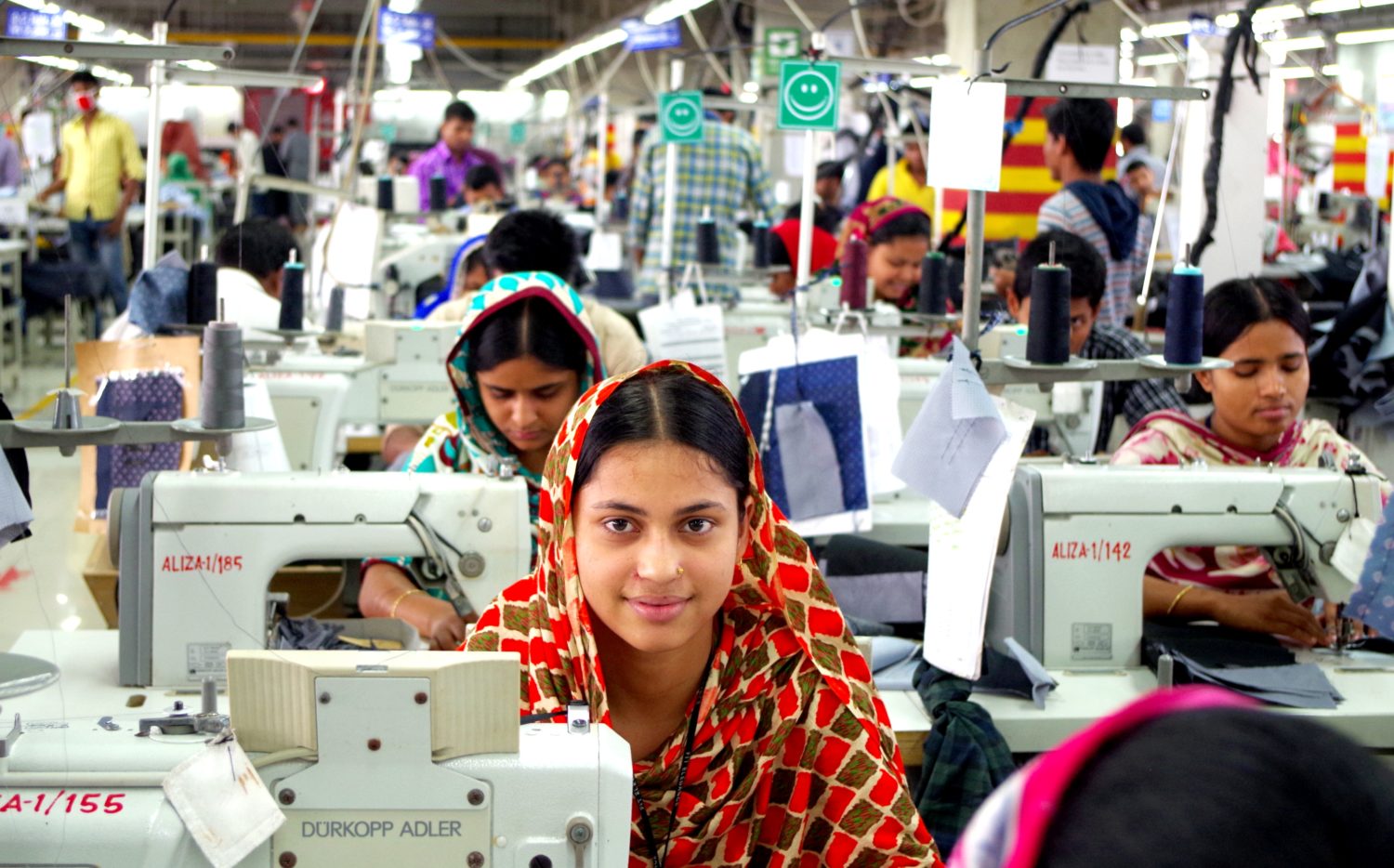


For decades, Bangladesh’s ready-made garment industry has stood as the backbone of the national economy. It powered export earnings, created jobs for millions and transformed the country’s global identity. Today, that same industry is showing serious signs of distress. Factories are closing at an alarming rate, workers are losing jobs and owners say they are struggling to survive. What began as a slow burn in 2023 has turned into a deep, structural crisis by 2025.
A Crisis Years in the Making
The first real shock to the sector came in early 2023 when industrial gas prices were raised by nearly 150 percent. For many factories, especially the small and medium ones, the sudden jump was too heavy a burden. Monthly bills doubled or even tripled. Many owners fell behind on payments. Some downsized production. Others started operating only a few days a week to cut utility costs.
But according to industry leaders, the situation deteriorated further when the current government, acting on advice from international lenders and in an attempt to restore discipline in the banking sector, pushed up bank lending rates from 9 percent to 15 percent. Along with that, the definition of non-performing loans shifted from six months overdue to three. Overnight, hundreds of factory owners found themselves labelled as defaulters.
The combined impact—high gas bills, costlier loans and tighter banking rules—hit the industry across all tiers. Large factories with diversified customer bases managed to stay afloat, but smaller units, already juggling thin margins, began to collapse.
A Wave of Shutdowns
According to data from BGMEA, BKMEA and BTMA, the closures have followed a worrying pattern. In 2024, 77 factories shut down. Those closures alone meant the loss of jobs for nearly 52,000 workers.
Then came 2025. From January to November, 149 factories shut their doors—a single-year figure that industry insiders say is the highest in recent memory. More than 150,000 workers lost their jobs in this period.
When the last 22 months and 10 days are counted together, the number becomes even more stark: 226 factories closed. More than 200,000 workers unemployed.
These are not just small units operating on the margins. The list includes well-known names in knitwear, woven garments, composite mills and sweater producers. Many had been suppliers to major international buyers for years. Their closures signal not just temporary struggles, but a deeper erosion of competitiveness.
Voices from the Industry
BGMEA President Mahmud Hasan Khan describes the situation bluntly. Speaking to Amar Desh, he said the main triggers behind the collapse are the sharp increase in loan interest rates, the new loan default criteria and the previously imposed gas price hike.
He added that political uncertainty has pushed some owners to leave the country, further weakening local confidence. Many factories operating on bank-backed capital could not adjust to the new rules quickly enough. Once classified as defaulters, these businesses lost access to credit, making it nearly impossible to continue production.
Other industry representatives echoed similar concerns. They say global buyers have become more demanding with compliance and price negotiations, but are not willing to pay higher rates to match rising production costs. As factories close, remaining producers face added pressure to meet deadlines and keep prices stable.
Workers Caught in the Middle
Behind the numbers are the thousands of workers who built their lives around the industry. Many were suddenly laid off without savings, struggling to meet rent, buy essentials or find new work. In industrial belts like Gazipur, Ashulia and Narayanganj, entire neighbourhoods feel the ripple effect.
Some workers found temporary jobs in other factories, but often at lower wages or with less security. Others moved back to rural areas in search of alternatives. The sudden drop in earnings in these manufacturing zones has affected small shops, transport workers, local food sellers and rental households.
A Sector at a Crossroads
Experts say Bangladesh’s apparel industry has survived major shocks before—from global recessions to the pandemic. But the current crisis is different because it is rooted in domestic policy challenges as well as global competition.
Rising costs of utilities, tougher financial regulations, slow local infrastructure improvements and increasingly competitive markets like Vietnam and Cambodia have created a perfect storm.
The sector’s future now depends on how quickly policy adjustments are made. Many owners are calling for a review of bank interest rates, an extension of the NPL classification timeline and a phased approach to utility price hikes. They also stress the need for a predictable political environment, arguing that uncertainty discourages local and foreign investment.
What Comes Next
For now, the industry stands at a critical point. The closures have already affected hundreds of thousands of families. While Bangladesh remains a key global apparel supplier, its position is under increasing strain.
Industry insiders warn that if the current conditions continue, more factories may shut down in the coming months. The impact would reach far beyond the gates of the factories—touching the national economy, export earnings and the future of millions who depend on the sector.
Whether the industry can recover depends on coordinated action from policymakers, financial institutions and factory owners. Without it, Bangladesh’s most powerful economic engine may continue to lose fuel.