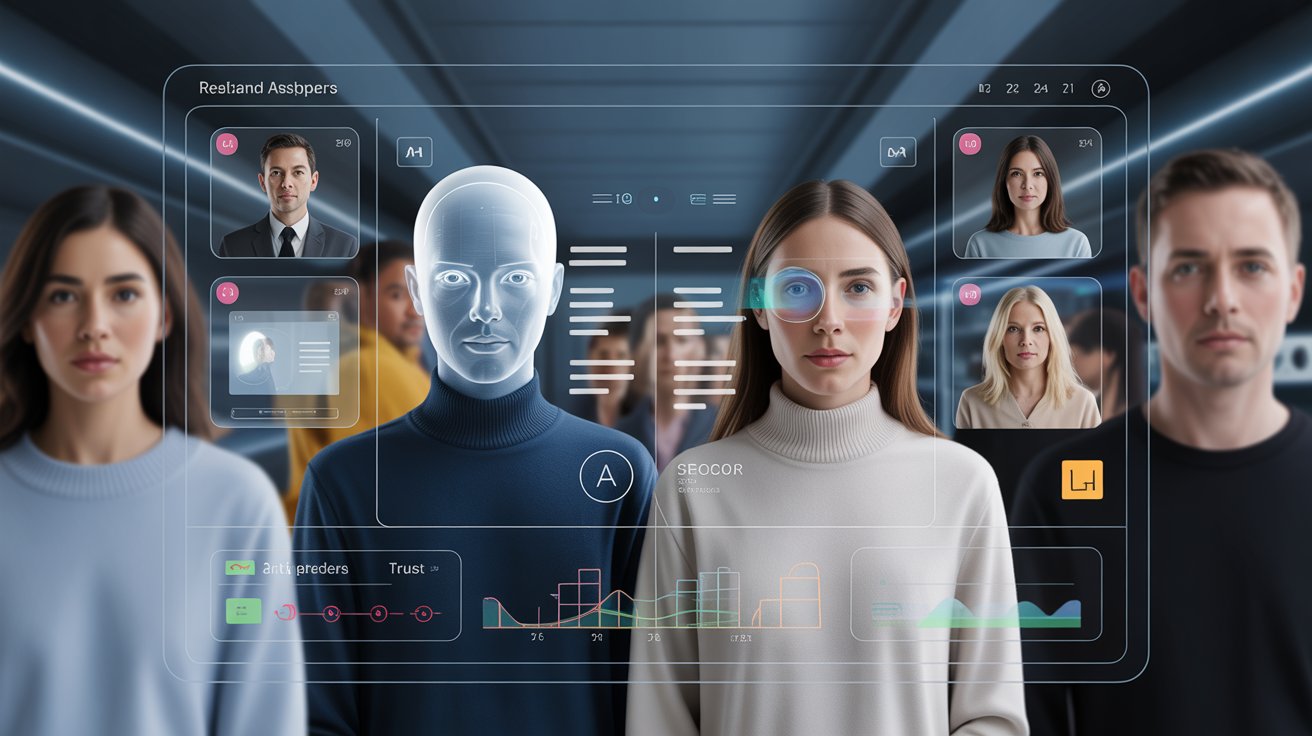


A growing number of retailers are turning to digital twins and synthetic personas to speed up decision making, but new research suggests the strategy may cost them more than it saves. A study released by First Insight shows that nearly 70 percent of shoppers would lose trust in brands that replace real customer feedback with AI-generated simulations.
The survey, which gathered responses from 1,303 US consumers aged 18 to over 80, highlights a major disconnect between retailers experimenting with digital replicas of shoppers and the customers themselves. Almost half of respondents said they had never heard the term “digital twin” before, underscoring how unfamiliar the concept remains outside the industry.
Despite the rise of customer modeling tools, consumers say they want the opposite. According to the report, 77 percent value authentic, direct communication from brands more than the efficiency that comes from automation. First Insight notes that while digital twins may promise a faster route to product testing, pricing decisions and inventory planning, the models often fail to reflect real consumer preferences accurately.
The study also reveals strong privacy concerns. Nearly seven in ten consumers describe themselves as highly protective of their personal data. Once they learn that brands may model or monetise them without explicit consent, 58 percent say they would become detractors. This includes being less likely to recommend a brand or actively warning others against buying from it.
Gen Z shoppers, often seen as more comfortable with technology, appear particularly sensitive to the issue once it is explained. More than half say they would directly contact brands to complain, share articles exposing the practice or post publicly about their frustration. While they may not yet be the biggest spending group, their ability to amplify backlash makes them a reputational risk.
Older shoppers pose a different challenge. Boomers and Gen X, the generations with the highest purchasing power, say they would reduce or end their buying if a brand relied on synthetic personas to make decisions. Forty-two percent of all consumers say they would lose trust or stop buying altogether once a brand turns to simulated feedback.
The message across age groups is consistent: people want to be asked directly about their preferences. Only 8 percent say they prefer AI-generated feedback over real input. Meanwhile, 91 percent believe genuine human connection is essential to their relationship with a brand.
Greg Petro, CEO of First Insight, says the research should be a warning for retailers exploring heavy automation without transparency. “When retailers cut customers out and rely on synthetic replicas instead, trust collapses. You cannot claim to know your customer while replacing them with a model of themselves,” he said. Petro emphasises that consumers are not opposed to technology. Their frustration lies in being replicated and monetised without consent.
First Insight recommends that retailers involve customers more closely in product testing, pricing decisions and demand forecasting. The company argues that combining consumer participation with AI tools leads to better predictions without compromising trust.
As brands continue to experiment with digital tools to personalise experiences, the research offers a clear reminder: consumers want to be partners in the process, not digital stand-ins.