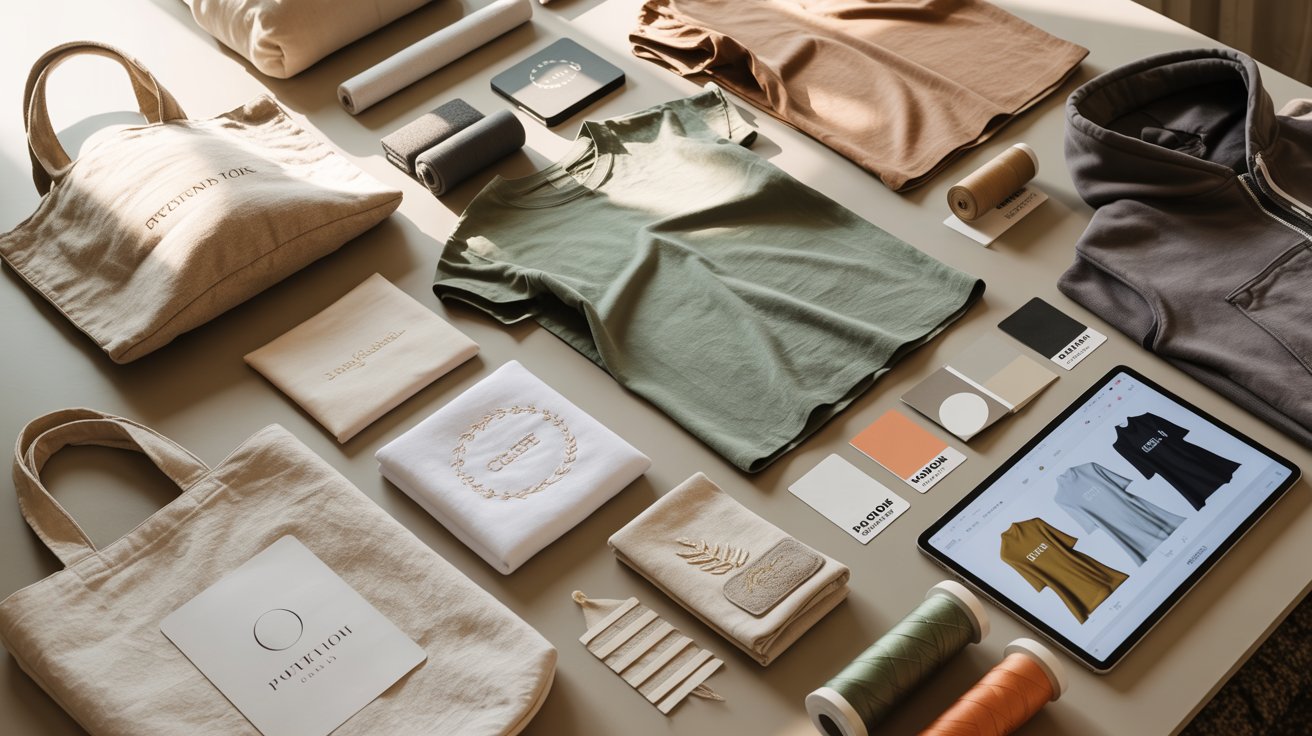


In today’s noisy digital landscape, brands are fighting harder than ever to be seen, heard and remembered. While screens dominate much of consumer attention, one medium continues to stand out for its simplicity and impact: custom textiles. Branded apparel has evolved far beyond the basic logo T-shirt. It now plays a central role in shaping how brands express identity, connect emotionally with audiences and build long-term loyalty.
Custom textiles offer something digital channels cannot replicate. They bring branding into the physical world, creating tactile experiences that people can see, touch and wear. A well-designed jacket, a thoughtfully crafted tote bag or a premium cotton polo communicates more than a marketing message. It signals the values, personality and promise a brand wants to share.
Why Personalized Textiles Resonate
Psychology helps explain why branded merchandise can influence consumer perception so strongly. Humans respond positively to personalization because it signals recognition and belonging. When a brand puts real thought into creating apparel that aligns with someone’s preferences, it tells the recipient that they are valued.
Research consistently supports this. Consumers are more likely to repurchase from brands that personalize their experiences. When applied to textiles, this creates an interesting blend: the garment expresses both the brand’s identity and the wearer’s. People use clothing to communicate who they are. If a branded hoodie or shirt aligns with their values and style, wearing it becomes a statement of self rather than advertising.
This connection strengthens advocacy. When someone chooses to wear branded apparel in public, they are making a voluntary endorsement. That kind of authentic advocacy is difficult for traditional ads to achieve.
Emotional Branding Through Apparel
The most successful companies today understand the power of emotional branding. They build relationships rather than push messages. Custom apparel fits naturally into this approach.
A well-designed garment can evoke pride, belonging or shared culture. Companies that excel in emotional storytelling often use apparel to reinforce their message. Each time the clothing is worn, the story is retold. This repetition taps into the mere-exposure effect, where repeated encounters strengthen familiarity and positive association.
From corporate teams to consumer communities, brands that use textiles thoughtfully can cultivate stronger emotional ties. The impact shows in revenue: companies that build emotional connections outperform their competitors significantly.
Apparel as a Marketing Engine
Custom textiles also serve as mobile advertising platforms. While ads disappear in seconds, apparel can stay in circulation for years. The visibility impact is enormous. Studies show that branded clothing dramatically improves brand recall and recognition compared to most traditional advertising channels.
Employees wearing company apparel act as brand ambassadors in daily life. Customers wearing merchandise extend the brand’s reach into environments companies could never buy their way into. The cost efficiency is notable too. A single high-quality hoodie can generate thousands of impressions at a fraction of the cost of digital ads.
The Rise of Personalization
As production technology advances, personalization is becoming more accessible for brands of all sizes. AI-assisted design tools, digital printing and on-demand production systems allow companies to offer unique garments without high minimum order quantities.
Consumers increasingly expect this level of customization. Whether through color choices, subtle design variations or personalized embroidery, brands can now create apparel that feels tailored and meaningful. This deepens loyalty and drives higher engagement.
A Shift Toward Sustainable Textiles
Perhaps the most important evolution in branded apparel is the shift toward sustainability. Younger generations prioritize environmental responsibility when choosing brands. Custom textiles give companies a chance to demonstrate their values authentically.
By using organic cotton, recycled fibers or biodegradable materials, brands communicate a clear commitment to responsible production. Sustainable apparel also performs better on social media, where conscious consumers amplify messages aligned with their ethics.
Beyond reputation, sustainable custom production helps reduce waste, especially compared to mass-produced merchandise that risks ending up as excess inventory.
Quality Over Quantity
Today’s consumers want fewer but better items. Custom textile strategies naturally support this shift. Because garments are created with intention—rather than mass-produced—they tend to be more durable, better designed and more meaningful. This aligns with growing resistance to fast fashion and contributes to long-term brand trust.
Measuring the Impact
The effectiveness of custom textiles goes well beyond surface impressions. Brands can measure impact through:
• brand recall and recognition
• customer engagement and repeat purchase behavior
• social media sharing and organic reach
• employee satisfaction and team cohesion
• cost-per-impression metrics compared with digital ads
• referral and loyalty indicators
High usage rates of branded apparel make the channel particularly attractive. When people repeatedly wear the items they receive, each appearance reinforces the brand message.
Building Community Through Apparel
Custom textiles don’t just promote a brand—they help build communities. Wearing the same branded item creates a shared identity that connects people. This applies to employees, event attendees and loyal customers alike. Social identity theory explains why: people like to belong to groups that reflect who they are. Apparel becomes the symbol of that belonging.
What’s Next
The future of custom textiles sits at the intersection of personalization, technology and sustainability. AI will make design more intuitive, digital platforms will enable virtual try-ons and responsible materials will become standard rather than optional. Brands that embrace these shifts early will gain a competitive edge.
The Bottom Line
Custom textiles have become a strategic asset in modern branding. They influence perception, inspire loyalty, spark conversation and build community. Most importantly, they help brands move beyond the screen and into the everyday lives of the people they want to reach.
In an era of overwhelming digital noise, the right textile can speak louder than any advertisement.