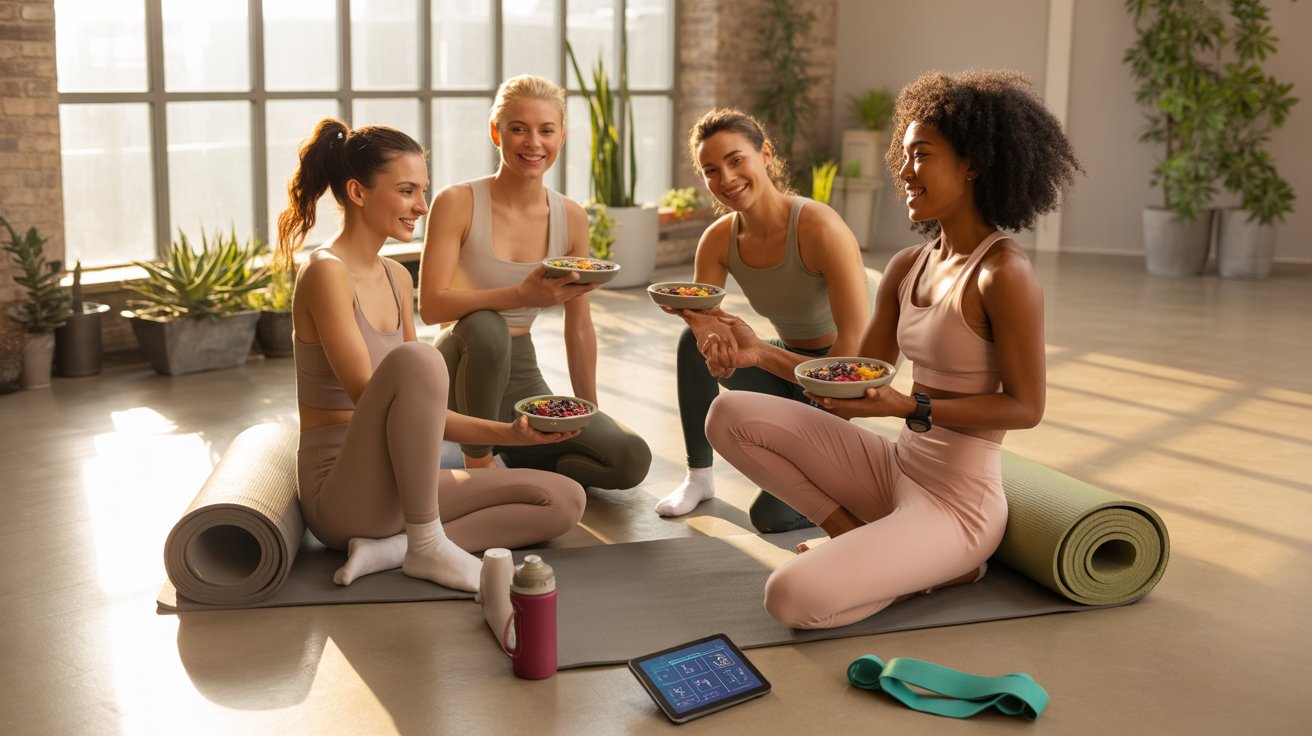


As we move into 2026, one thing is clear: wellness is no longer a niche interest—it has become a defining priority for consumers worldwide. A recent report by The Business of Fashion and McKinsey & Company reveals that 84% of U.S. consumers now consider health and wellbeing a significant part of their lives, while 94% of Chinese consumers share this perspective. Gen Z and Millennials are leading this shift, accounting for over 40% of U.S. wellness spending in 2024, and for many, fitness and self-care have evolved from hobbies into core aspects of personal identity.
The report emphasizes that this movement isn’t fleeting. Wellbeing has grown into an enduring lifestyle trend, shaping spending patterns across industries, from food and nutrition to skincare and fitness. Even discretionary income constraints aren’t slowing the momentum: 51% of respondents said they would maintain or increase their wellness-related spending despite reduced income.
For the fashion industry, the implications are profound. Fashion is intrinsically tied to lifestyle, and brands that fail to engage with wellness-conscious consumers risk being left behind. Many brands are already expanding into complementary areas like athleisure and skincare, capturing a larger share of lifestyle-driven spending.
Creating “Third Spaces” for Consumer Engagement
One of the most innovative ways fashion brands are responding to wellness trends is by developing “third spaces”—social environments that sit between home and work, designed to immerse consumers in a brand experience. These spaces foster deeper emotional connections and encourage customers to spend more time with the brand, both online and offline.
For example, Dior is expanding into branded spas, weaving wellness into the lifestyle of its customers. Lululemon has created yoga hubs, while Alo Yoga offers a subscription-based wellness platform, combining digital access to classes with in-person retreats focused on Pilates, mindfulness, and nutrition. These initiatives demonstrate how fashion brands can extend beyond clothing to create meaningful, wellness-focused experiences.
Three Strategies for Fashion Brands in 2026
- Evaluate Wellbeing’s Role in Your Brand
Brands must assess whether wellness is central to their identity or a peripheral feature. By understanding core values and customer expectations—supported by social listening and search analytics—brands can align their offerings with evolving wellness priorities. - Implement Authentic Integrations
Wellness initiatives should feel natural and data-driven, complementing existing offerings and brand strengths. Strategic expansions—whether into products, services, or communities—should be guided by revenue potential, adoption trends, and risk considerations. - Build Long-Term Credibility
Sustainable success in wellness requires consistency. Brands must embed wellbeing across products, services, and experiences, partnering with credible experts, creators, or adjacent industries such as fitness, beauty, and hospitality. Authenticity and sustained engagement strengthen brand equity and consumer trust.
The Bottom Line
Wellness is reshaping the global consumer landscape, and fashion brands are uniquely positioned to capitalize on this shift. By integrating health, mindfulness, and lifestyle into their offerings, brands can not only capture new revenue streams but also forge deeper, lasting connections with consumers. For 2026 and beyond, wellness is more than a trend—it is a movement that defines how people live, spend, and identify themselves.