

Fashion has always loved change, but the pace of innovation today feels different. It is not just about new looks anymore. It is about redesigning how the entire industry works.
The global fashion scene is entering a period of rapid reinvention. Designers, tech innovators and sustainability advocates are working side by side, pushing the business toward smarter production and cleaner practices. What once seemed futuristic is now moving into mainstream conversations, from lab-grown materials to digital-only outfits.
Sustainability Becomes a Core Strategy
Green thinking is no longer a niche message. Labels are reworking their supply chains to cut waste and reduce their environmental footprint. Recycled textiles, zero-waste cutting rooms and plant-based dyes are gaining ground as brands look for alternatives to resource-heavy materials.
New fibers are playing a major role. Tencel, made from responsibly sourced wood pulp, and Piñatex, developed from agricultural pineapple waste, are proving that style does not have to come at the expense of the planet. These innovations show how ecology and creativity can work together.
Design Moves Into the Digital World
Digital fashion is emerging as one of the most interesting shifts. Instead of creating physical garments, designers are building clothing that exists only on screens. These virtual pieces are being used in gaming worlds, online shows and social platforms.
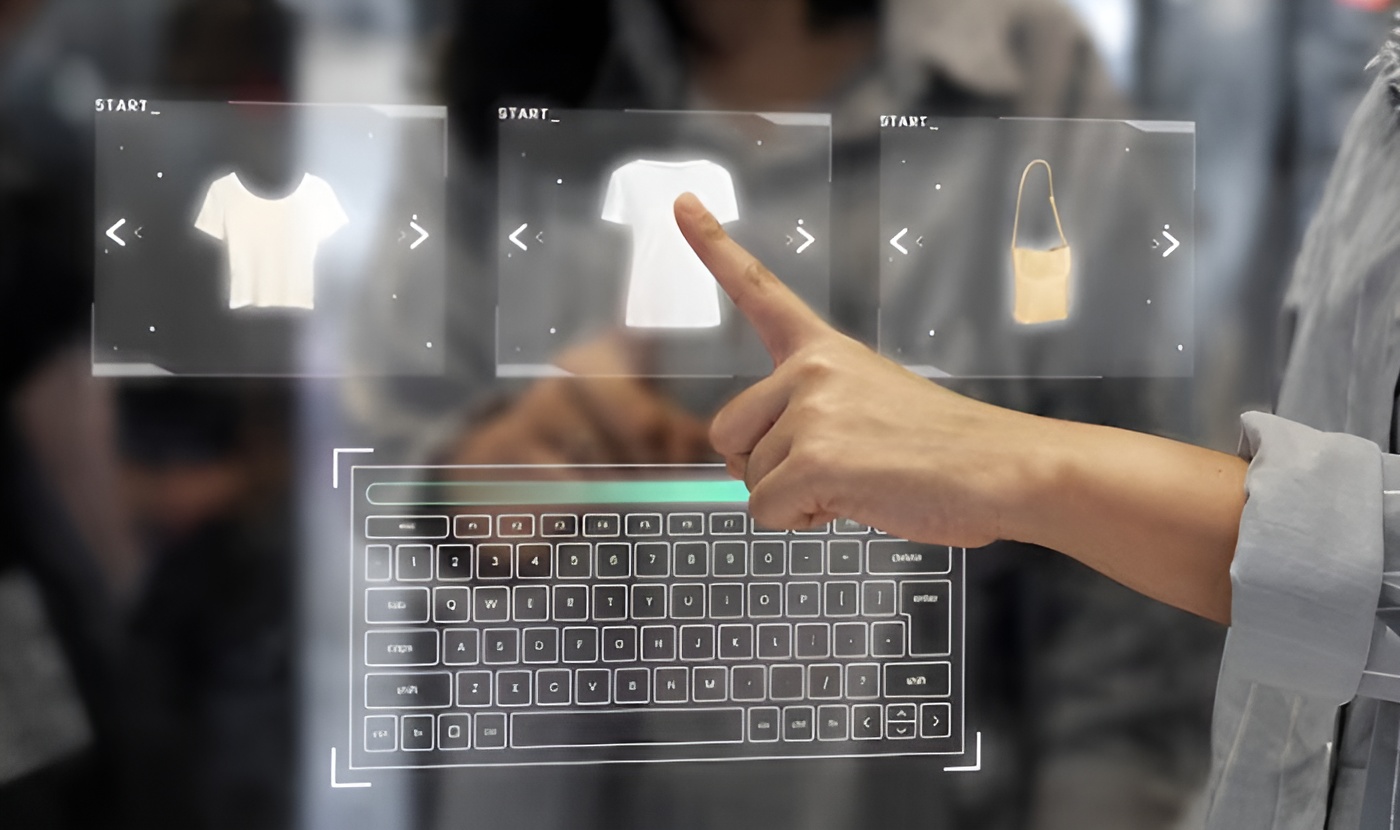
Augmented and virtual reality are expanding this space. Virtual try-ons give shoppers a realistic sense of how an outfit will look and fit before they place an order. The result is a better shopping experience and fewer unnecessary returns.
3D Printing Changes the Production Game
The rise of 3D printing is challenging long-held ideas about how clothing should be made. With this method, designers can produce complex structures quickly and with far less waste. Accessories, footwear and even ready-to-wear pieces are already being tested.
One of the biggest advantages is customization. Garments can be printed to fit a customer’s exact measurements, reducing the need for mass-produced sizing and cutting down on excess inventory.
Smart Fabrics Bring Function to Fashion
Wearable technology has evolved far beyond smartwatches. Today’s smart textiles come with built-in features that respond to the wearer’s needs. Some regulate temperature, others track health data or manage moisture.
LED-embedded dresses, color-shifting garments and jackets that warm up automatically show how design and technology can merge in practical and expressive ways. These innovations are hinting at a future where clothes work harder for the people wearing them.
Blockchain Introduces a New Level of Transparency
As shoppers demand clearer proof of ethical and sustainable practices, blockchain is becoming an important tool. It allows every step of a garment’s journey to be recorded and verified, from raw material sourcing to final sale.
This level of transparency helps fight counterfeits, protects workers and encourages fair production. It also empowers consumers to make informed choices about the brands they support.
AI Helps Predict the Next Big Trend
Artificial intelligence is taking on an increasingly strategic role in fashion. Brands use AI to analyze trends, forecast demand and understand shopper behavior. Some designers are even experimenting with AI-generated design concepts.
On the retail side, AI recommendation engines suggest items based on personal style and past shopping patterns. This reduces overproduction and helps shoppers find what they actually want, creating a more efficient and less wasteful system.
Fashion is entering an era where creativity and responsibility go hand in hand. The combination of sustainable ideas and advanced technology is redefining what the industry stands for. The next chapter of fashion is not just about reinventing style, but reinventing the system behind it.